More cities across the U.S. are adding solar streetlights to their infrastructure plans, and the reasons come down to a few practical realities: aging electrical grids, tighter budgets, and public safety demands that aren’t slowing down. Municipal solar streetlights address all three at once, which is part of why adoption has picked up steam in recent years.
What Are Municipal Solar Streetlights?
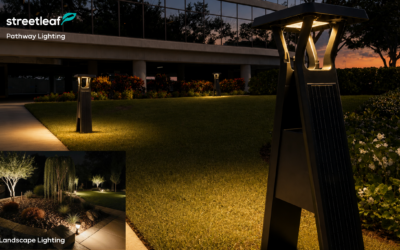
Municipal solar streetlights are off grid lighting systems powered entirely by the sun. Each unit typically includes a solar panel, an LED fixture, a battery for storage, and a smart controller that manages when and how brightly the light operates. Because they don’t rely on a connection to the electrical grid, they can go up almost anywhere: residential streets, parks, trails, parking lots, and other public spaces where running new electrical lines would be costly or impractical.
Lower Infrastructure Costs
One of the clearest advantages is what cities avoid spending. Traditional streetlights require trenching and underground electrical work, both of which add significant cost and time to a project. Solar streetlights skip that step entirely. For new developments or retrofits of aging systems, that difference in upfront cost and installation time is often the deciding factor.
Supporting Sustainability Goals
Many municipalities have set formal sustainability or emissions targets, and lighting infrastructure is a visible, measurable way to make progress on them. Solar streetlights run on renewable energy and produce no operating emissions, which makes them a natural fit for cities working toward smart city or ESG commitments.
Improved Public Safety
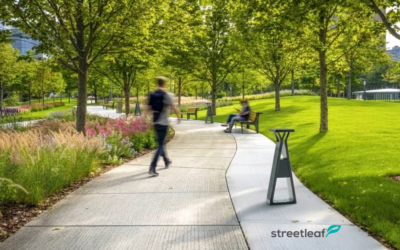
Consistent, reliable lighting is one of the simpler ways a city can improve safety for drivers, cyclists, and pedestrians. Solar streetlights work well not just on roads but in parks, along pathways, and near transit stops, areas that often get overlooked in traditional lighting upgrades because of the cost of extending grid power to them.
Reliability During Storms and Outages
Because each unit stores its own power, solar streetlights keep working even when the surrounding grid goes down. That matters most in hurricane prone or storm heavy regions, where a multi-day outage can otherwise leave streets and neighborhoods dark for extended periods. For coastal and Sunbelt communities in particular, that independence has real value during emergency response.
Smart City Capabilities
Many municipal solar streetlight systems now include motion sensors, adaptive brightness, and remote monitoring, giving cities more control over how their lighting performs and where maintenance attention is needed. These features tend to appeal to municipalities already investing in broader smart city infrastructure.
Where Cities Are Using Them
Municipal solar streetlights show up in a wide range of settings: residential streets, parks, walking and biking trails, parking lots, bus stops, waterfronts, and new developments. Essentially, anywhere a city already has traditional streetlights, solar is worth evaluating as a replacement or upgrade option, especially where existing systems are aging or costly to maintain.
What to Consider Before Installing
Getting the most out of a solar streetlight system starts with placement. Each unit needs to be positioned and oriented for adequate sun exposure, since that directly affects battery performance and light output. Cities should also factor in battery backup capacity for their climate and confirm local permitting and regulatory requirements before moving forward.
Working with an experienced provider makes this process considerably easier. At Streetleaf, we handle planning through installation, which frees up city staff to focus on other priorities rather than managing the technical details of a lighting project.
Municipal solar streetlights offer a practical way for cities to reduce infrastructure costs, support sustainability commitments, and build in resilience against outages. As more municipalities look for smarter ways to manage aging infrastructure, solar lighting has become one of the more straightforward upgrades available, one that pays off in both the near term and over the life of the system.
If you’re evaluating solar streetlights for your city, Streetleaf’s team can walk you through what a project would look like for your specific infrastructure and goals.